Batik Tulis Lintang Malang

Batik Lintang Welcomes 6 Interns from SMKN 1 Jabon Sidoarjo
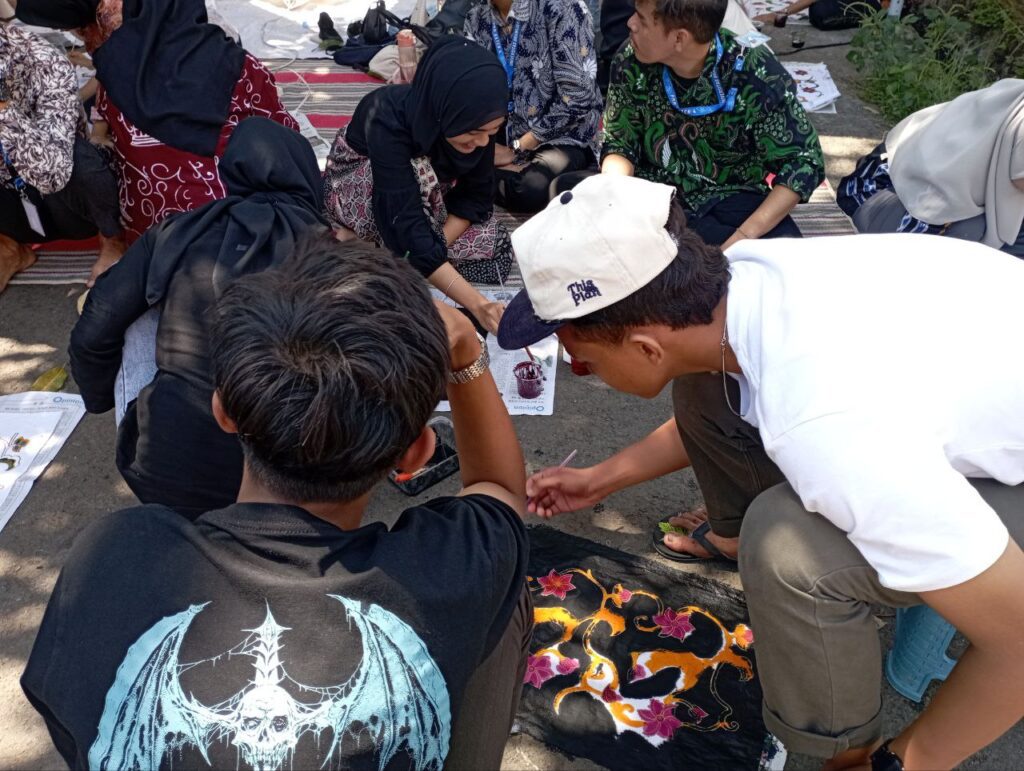
Batik Lintang offers internship opportunities to SMKN 1 Njabon students majoring Batik and Textile Creative Crafts during their internship program at Batik Lintang Gallery in Malang on May 30. During their six-month internship, students will learn and complete their tasks under the direct supervision of the gallery owner, Ita Fitriyah.
Malang, May 30th, 2024 – Batik Lintang, a batik gallery in Malang Regency, has offered internship opportunities to students from SMKN 1 Njabon, Sidoarjo, majoring in Batik and Textile Creative Crafts. The six students accepted at this gallery will spend six months learning and completing their tasks under the direct guidance of the gallery owner, Ita Fitriyah (46).
Ita explained the main reasons behind Batik Lintang’s decision to accept intern students. “Firstly, due to the overwhelming production. Secondly, from an academic perspective, I have to share with my generation about the academic methodology of batik. Thirdly, from a financial perspective, the capital is sufficient for us to accept intern students,” she explained.
The selection process for internship students at Batik Lintang involves several important stages. “There must be a statement from the school that the students will intern at the Batik Lintang Gallery for a specified period. Then, the materials they bring must be in synergy with what is available at Batik Lintang,” she said. This is to ensure that the goals and expectations of both parties can be fulfilled well during the internship period.
During the internship, students will be involved in various activities and tasks. “They have to finish two pieces of fabrics measuring two meters each, with patterns representing their respective regions. The first fabric should reflect the identity of their hometown, while the second fabric portrays their experiences while in Malang. The third fabric, facilitated by Batik Lintang Gallery, should reflect the typical patterns of this gallery,” Ita said.
In addition, the skills expected to be acquired by students during the internship include three main aspects. First, social and community skills, which according to Ita are very important because students will interact with the surrounding community. Second, technical skills in batik making, both written and stamped, which is the main mission of the school. Third, an introduction to work in the Batik Lintang Gallery, including procedures before, during, and after work.
Ita also expressed her hopes for internship students after completing this program. “Firstly, they can complete the tasks assigned by the school. Secondly, they can improve their batik skills so that they can expand their knowledge. Thirdly, it is hoped that they can enhance their community involvement, and entrepreneurship so that when they graduate, they can independently start their own business,” Ita concluded.
This internship program not only provides opportunities for students to learn directly from practitioners in the field of batik but also gives them valuable experience in interacting with the local community and understanding social movements around the Batik Lintang Gallery. Ita believes that this program will have a significant positive impact on the personal and professional development of students.
 ENG
ENG  ID
ID